Loading ...

Search Results

Free Shipping on orders of $49+ | Signup for Direct Rewards
Free Shipping on orders of $49+ | Free Store Pickup | Signup for Direct Rewards
Free Shipping on orders of $49+ | Signup for Direct Rewards
Free Shipping on orders of $49+ | Free Store Pickup | Signup for Direct Rewards

There’s something completely different about seeing the underwater world after the sun goes down. Familiar reefs can look entirely new, nocturnal marine life becomes active, and your dive light reveals a small circle of the reef while everything beyond it fades into darkness.
For some divers, that sounds exciting. For others, it may seem frightening.
The good news? Night diving doesn’t have to be scary. With the right preparation, equipment, and dive plan, a night dive can be one of the most memorable experiences in scuba diving.
If you've never tried it, you might wonder why anyone would voluntarily jump into dark water.
That's exactly what makes night diving so interesting.
Many marine animals change their routines when the sun goes down. Octopus may leave their hiding spots to hunt, lobsters emerge from reef crevices to forage, and certain eels become more active as they search for food. You may even spot parrotfish resting in protected areas of the reef. These nighttime behaviors offer a glimpse into a different side of marine life that you might miss during a daytime dive.
Depending on the location and season, you may also encounter animals that are simply more active around dusk or after dark.
It's a reminder that the reef doesn't shut down when the sun goes down. It just changes shifts.

A reef that looks completely familiar during the day can become an entirely different environment at night. Your dive light focuses your attention on a smaller area, allowing you to notice details you might normally overlook.
Some divers also enjoy turning off their lights briefly to experience complete darkness underwater. If you do this, make sure you are in a safe situation and have discussed it with your buddy beforehand.
Night diving safety comes down to proper training, preparation, and equipment, but the lack of natural light introduces additional challenges.
Navigation can be more difficult, visual references are reduced, and losing your primary light can quickly become a serious problem.
That's why preparation matters.
Before a night dive, review the dive plan with your buddy and make sure you both understand your entry and exit points, maximum depth, expected dive time, emergency procedures, and communication signals.
If you're unfamiliar with a dive site, exploring it during the day first can make your nighttime dive easier and more comfortable.
Many recreational scuba agencies offer a night diving or limited visibility specialty course. Training is a good way to learn the specific skills and procedures involved in diving after dark.
A night dive can feel very different from a daytime dive, so divers should be comfortable with basic buoyancy, navigation, buddy procedures, and managing their equipment before attempting one.
If you're a newer diver, consider completing a night diving course with a qualified instructor rather than treating your first night dive as a trial-and-error experience.
Having the right equipment is one of the most important parts of a successful night dive.
Your primary dive light is your main source of illumination. Choose a light designed specifically for diving, with enough brightness and runtime for the type of dive you're planning.
A light with a comfortable grip and an easy-to-use switch is especially helpful when you're wearing gloves or managing other equipment.
Always bring a backup light.
Even if your primary light is fully charged and has worked perfectly on every previous dive, equipment can fail. A backup light gives you another source of illumination and can help you safely complete the dive or navigate toward your exit point if your primary light stops working.
A small marker light can make it easier for your buddy or other divers to locate you in low visibility. Depending on the type of dive, a tank marker light or other signaling light can be especially useful.

Your dive computer remains an important part of your dive equipment whether you're underwater during the day or at night. Continue monitoring your depth, bottom time, no-decompression limits, and other information throughout the dive.
Navigation becomes especially important when natural visual references disappear.
A compass can help you maintain your planned heading and find your way back toward an exit point or other planned location.
A surface marker buoy (SMB) can help signal your position to people on the surface, particularly during boat dives or situations where you may need to make a controlled ascent away from your original entry point.
An audible signaling device can help attract attention at the surface if needed.
A retractor can help keep your light or other accessories secure and accessible without leaving extra equipment dangling from your gear.
Communication is especially important during a night dive because you can't rely on normal visual cues as easily.
Before entering the water, review your hand and light signals with your buddy.
One common technique is to use your dive light to illuminate your hand signals so your buddy can see them. Avoid shining your light directly into your buddy's eyes.
Your light can also help your buddy keep track of you. Instead of constantly looking for your entire body, your buddy may be able to identify you by the movement of your light.
Most importantly, stay close enough to maintain visual contact and follow the buddy procedures you've agreed on before the dive.
If you're preparing for your first night dive, a little extra preparation can make a big difference.
Your first night dive probably isn't the time to explore an unfamiliar site with complicated navigation. Choosing a site you've already visited can help you focus on the experience rather than figuring out where you are.
Turn on your primary and backup lights before getting in the water. Make sure switches work properly and batteries are charged.
If your light uses replaceable batteries, consider carrying spares as appropriate for the manufacturer's recommendations.
Know exactly where you'll enter and where you plan to exit. Shore divers should pay particular attention to landmarks, currents, surf conditions, and how the entry point may look different after dark.
Your buddy system becomes even more important at night. Maintain awareness of your buddy's location throughout the dive and communicate if you need to change your position or direction.
Don't let the excitement of seeing new marine life distract you from your normal dive procedures. Continue checking your depth, air supply, dive computer, and other critical information just as you would during a daytime dive.
Night diving is about slowing down and observing.
Instead of covering a large distance, consider staying in a smaller area and taking time to look closely at the reef. You may be surprised by what appears in the beam of your light.
This is one of the biggest reasons to carry a backup light.
If your primary light stops working, stay calm and switch to your backup. Communicate with your buddy and follow the emergency procedures you discussed before the dive.
If you don't have a functioning backup light, follow your training and dive plan rather than attempting to continue the dive in darkness.
This is also why checking your equipment before entering the water is so important. A few seconds spent testing your lights on the surface can prevent a much bigger problem underwater.
The marine life you'll encounter depends heavily on the location, season, habitat, and conditions.
Night dives can offer opportunities to see:
Some shark species may also become more active around dusk or at night, although activity patterns vary by species and location.
Remember that wildlife encounters are never guaranteed. Part of the fun of night diving is not knowing exactly what you'll find in your light beam.
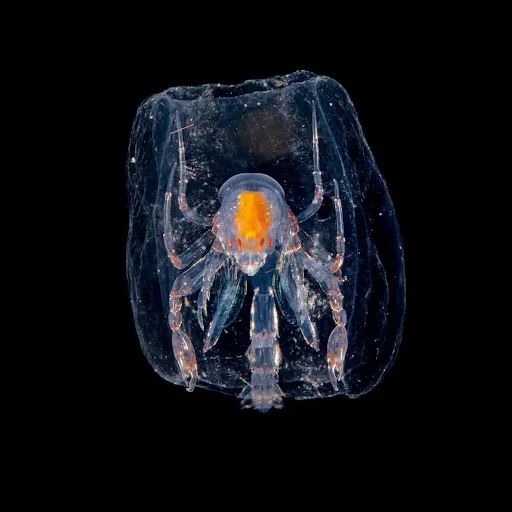
It can be intimidating at first, especially if you're not used to limited visibility. Proper training, a reliable dive light, a backup light, and a good buddy system can make the experience much more comfortable.
Yes, but divers should have a solid understanding of basic scuba skills before attempting a night dive. A night diving specialty course is a great way for newer divers to learn the additional skills and procedures involved.
At minimum, divers should carry a reliable primary light and a backup light. Your specific setup may vary depending on the dive, conditions, and training.
A typical night dive setup includes a primary dive light, backup light, dive computer, compass, and appropriate signaling equipment. An SMB and marker light can also be useful depending on the dive environment.
Night diving introduces additional challenges because natural light and visual references are reduced. However, proper training, planning, equipment, and buddy procedures can help manage those risks.
If possible, yes. Familiarizing yourself with a dive site during daylight can make nighttime navigation and entry and exit procedures easier.
Divers can use standard hand signals illuminated by their dive lights. Light signals can also be used to attract attention and help buddies maintain awareness of each other.
Yes. Shore night dives can be an excellent way to explore familiar sites after dark, but divers should pay close attention to surf, currents, entry and exit conditions, and navigation.
There's something special about descending into the water after sunset and watching your dive light reveal a world that wasn't visible just hours earlier.
With the right training, equipment, and preparation, night diving doesn't have to be something you fear. It can be an opportunity to explore familiar dive sites in a completely new way and see marine life you might never encounter during the day.
So charge your lights, check your gear, review your dive plan, and find a buddy who's ready to explore after dark.
The reef is still there after sunset. You just need a light to see it.


