Loading ...

Search Results

Free Shipping on orders of $49+ | Signup for Direct Rewards
Free Shipping on orders of $49+ | Free Store Pickup | Signup for Direct Rewards
Free Shipping on orders of $49+ | Signup for Direct Rewards
Free Shipping on orders of $49+ | Free Store Pickup | Signup for Direct Rewards

Imagine you’re cruising out of the Florida Keys, the Atlantic is a flat sheet of turquoise, and the reef is calling your name. You’ve got your mask, your fins, and your favorite regulator. But as any seasoned Florida boat captain will tell you, a great dive day doesn't start when you hit the water, it starts on the deck. Transforming a standard vessel into a safe, organized dive platform requires more than just a place to sit; it requires the right essential scuba diving equipment for your boat.
At Divers Direct, we’ve spent over 40 years helping divers navigate the transition from the boat to the blue. Whether you’re hitting the offshore wrecks or snorkeling the shallow patch reefs, having a "pro-diver" setup means your gear is secure, your location is marked, and your safety is prioritized. Let’s dive into the must-have gear that turns a good boat day into a professional-grade diving expedition.
In Florida, safety isn't just a suggestion; it’s the law. If you’re diving or snorkeling from a boat in Florida waters, you are legally required to display a "divers-down" flag. This isn't just about avoiding a ticket from the Coast Guard; it’s about making sure other boaters see you before they get too close.
According to Florida law, dive flags displayed on vessels must be at least 20" x 24" and must be flown from the highest point of the vessel to ensure 360-degree visibility. Additionally, the flag must have a wire or stiffener to keep it unfurled even when there’s no breeze.
For a reliable, DIY setup, the Nylon 20" x 24" Dive Flag is a staple. It features three grommets and a pole sleeve, giving you multiple ways to secure it to your T-top or mast. However, if you want the ultimate convenience, we highly recommend the
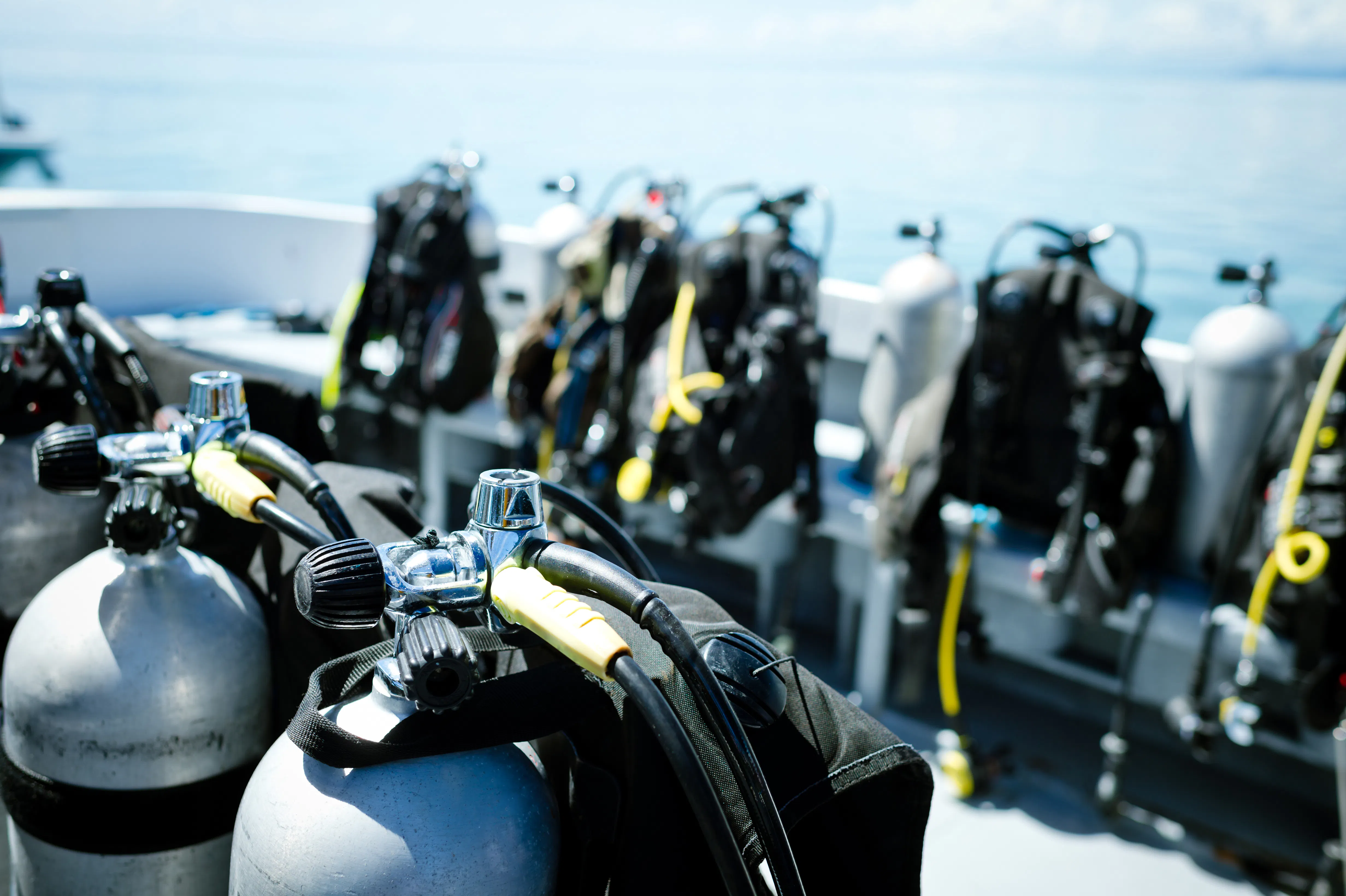
One of the biggest mistakes boaters make is letting scuba tanks roll around on the deck. A standard aluminum 80-cubic-foot tank weighs about 31 pounds empty and more when full. In a chop, an unsecured tank becomes a "rolling missile," capable of cracking fiberglass, smashing toes, or damaging expensive regulators.
Proper weight distribution and tank security are essential for boat stability and gear longevity. For those who use their boat for more than just diving, the Foam Tank Rack is an excellent, lightweight solution. This high-density polystyrene foam cradle holds two tanks side-by-side, preventing them from sliding during the ride out to the reef.
If you’re looking for a more permanent, heavy-duty solution, the XS Scuba Tank Holder is the industry standard. This mount features a rugged, impact-resistant plastic base and adjustable silicone bands that "stretch and latch" to lock your tank in place. You can mount these directly to your boat’s gunwales or combine them with an aluminum rail for a removable system. Keeping your tanks vertical and secure not only protects your boat but also makes it much easier to gear up when it's time to splash.
Florida currents, especially near the Gulf Stream, can be surprisingly strong. Even on a calm day, it’s easy for a diver or snorkeler to drift away from the boat while focused on a sea turtle or a school of snapper. When you’re at the surface, you are a very small speck in a very large ocean.
This is where boat diving safety gear becomes literally life-saving. Every diver or snorkeler on your boat should carry a Surface Marker Buoy (SMB). The Deluxe 72" Cordura Safety Tube is a "safety sausage" that stands six feet tall above the waves. Its bright safety colors ensure the boat captain can spot you from a distance, even in 3-foot swells.
To complement your visibility, you need audibility. The Wind Storm Safety Whistle is one of the loudest whistles ever made. It works both on the surface and underwater, producing a sound that can be heard over the roar of boat engines and crashing waves. These two items are non-negotiable tools for anyone venturing away from the swim platform.
As the boat owner or captain, the safety of everyone on board is your responsibility. Beyond the standard Coast Guard requirements, a dive-ready boat should have specialized medical supplies. Common marine stings or small cuts from coral can happen in an instant.
The Scuba Diving First Aid Kit is a compact, diver-focused kit that includes antiseptic towelettes, sting relief swabs, and triple antibiotic ointment. It’s a small investment that handles the "small stuff" before it ruins the day. For more serious emergencies, every boat should carry a Deluxe Pocket CPR Mask. This mask provides a superior seal for delivering rescue breaths and includes an O2 adapter, making it a critical addition to your emergency oxygen kit.
Finally, don't let a broken $5 part cancel a $200 fuel-cost trip. The Save-A-Dive Kit is essentially an insurance policy for your gear. It contains a spare mask strap, fin strap, regulator mouthpiece, and various O-rings. We’ve seen many dives saved by a simple O-ring swap or a new snorkel keeper. Keep one in your boat’s dry box, and you’ll eventually be the hero of the day.
What are the dive flag requirements in Florida?
Florida law requires that all divers and snorkelers display a "divers-down" flag. When displayed from a vessel, the flag must be at least 20" x 24" and flown from the highest point of the boat. It must also have a stiffener to remain visible in no-wind conditions. Divers must stay within 300 feet of the flag in open water or 100 feet in rivers, inlets, or navigation channels.
How do I secure scuba tanks on a small boat?
The best way to secure tanks is by using dedicated tank racks or holders. Foam racks are great for temporary transport, while permanent mounts like the XS Scuba Tank Holder use silicone straps to lock the tanks against the gunwale. Never leave tanks standing freely; they should be secured in a way that prevents them from sliding or tipping during transit.
What safety gear should I have for boat snorkeling?
At a minimum, snorkelers should have a high-visibility dive flag on the boat and each person should carry a safety whistle and a surface marker buoy (SMB). It’s also highly recommended to have a specialized marine first aid kit and a CPR mask on board in case of emergencies.
How can I make my boat more dive-friendly?
Start by organizing your deck with tank holders to clear floor space. Ensure you have a sturdy ladder that can support a diver wearing heavy gear. Finally, keep a "Save-A-Dive" kit on board to handle common equipment failures like broken straps or blown O-rings.
The difference between a stressful day on the water and a seamless underwater adventure comes down to your preparation. Equipping your boat with the right tank storage, safety markers, and emergency kits ensures that you can focus on the beauty of the reef rather than the clutter on your deck.
At Divers Direct, we’re here to help you get your vessel "dive-ready." Whether you need a rod-holder dive flag or a permanent tank mounting system, you can find everything you need at our five Florida locations or online. Don't wait for a gear failure or a safety close-call to upgrade your setup. Gear up today and dive with the confidence of a pro!