Loading ...

Search Results

Free Shipping on orders of $49+ | Signup for Direct Rewards
Free Shipping on orders of $49+ | Free Store Pickup | Signup for Direct Rewards
Free Shipping on orders of $49+ | Signup for Direct Rewards
Free Shipping on orders of $49+ | Free Store Pickup | Signup for Direct Rewards

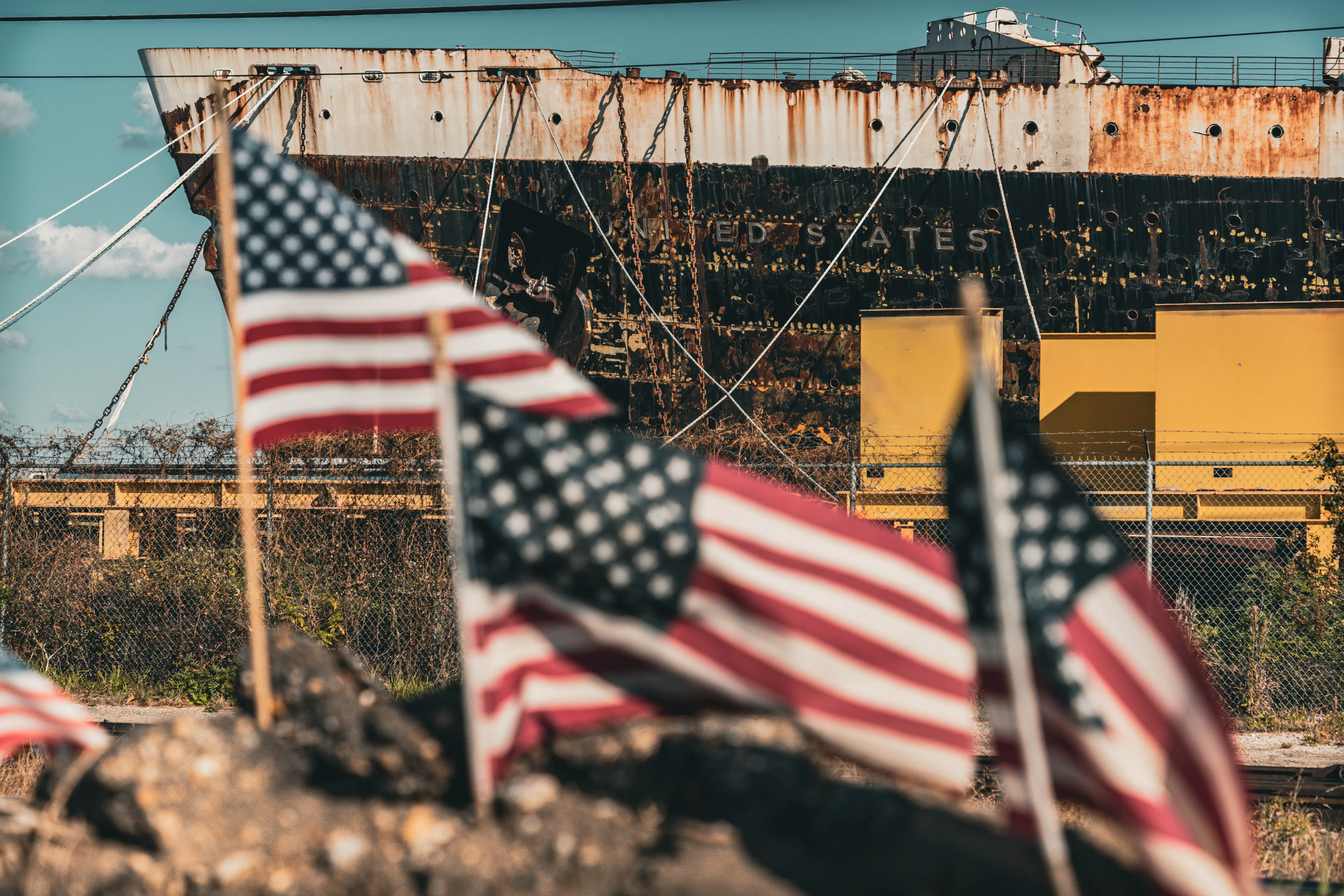
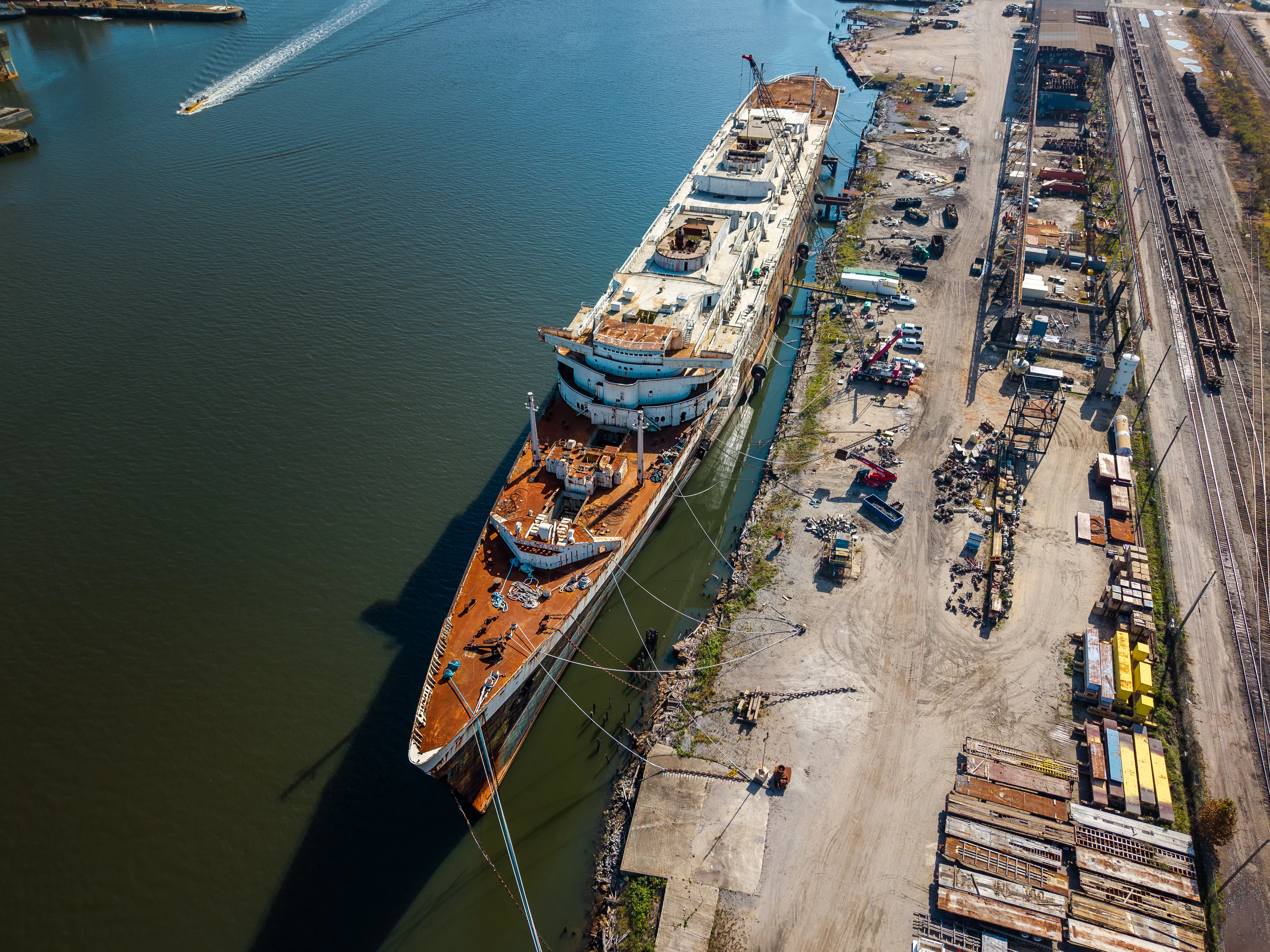
Few maritime projects capture the imagination quite like the transformation of the SS United States. Measuring an astonishing 990 feet in length, this mid-century ocean liner once stood as the pinnacle of American maritime engineering, shuttling presidents, celebrities, and transatlantic travelers across the Atlantic at blistering speeds. For decades after its retirement, however, the vessel sat moored in Philadelphia, slowly rusting away.
Now, the historic flagship has officially begun her second life. On November 11, 2026, the SS United States was intentionally sunk approximately 22 nautical miles off the coast of Destin-Fort Walton Beach, Florida. Through an ambitious project led by Okaloosa County, the once-mighty ocean liner has been transformed into what is now the world's largest artificial reef, creating an extraordinary new destination for marine life, anglers, and scuba divers.
Launched in 1952, the SS United States was engineered as both a luxury passenger liner and a convertible naval troopship capable of carrying 14,000 soldiers. Designed by renowned naval architect William Francis Gibbs, the ship integrated extensive aluminum construction, fireproof materials, and secret, high-output steam turbines designed by the U.S. Navy.
On her maiden voyage, she captured the coveted Blue Riband by crossing the Atlantic in three days, 10 hours, and 40 minutes - a westbound transatlantic speed record that still stands today for conventional passenger liners.
By the late 1960s, the rise of commercial jet travel brought the golden age of ocean liners to an end. The ship was decommissioned in 1969 and passed through a series of owners before spending decades tied up at Pier 82 in Philadelphia. As maintenance costs mounted and pier leases expired, the vessel faced imminent scrapping.
Recognizing a rare opportunity to preserve American maritime heritage while expanding artificial reefs in Florida, Okaloosa County stepped in. The county acquired the massive vessel, arranged for her historic tow from Philadelphia around the Florida peninsula to Mobile, Alabama, and oversaw an extensive remediation and cleaning process. Technicians worked meticulously to strip hazardous materials, cut diver-access corridors, and make the 1,000 foot ocean liner safe for marine life and visiting divers.
After months of preparation, the SS United States completed her final voyage on November 11, 2026. The deployment date was moved up one day from the original November 12 schedule due to forecast weather conditions.
Located approximately 22 nautical miles southwest of Destin-Fort Walton Beach, the vessel was intentionally flooded and sent to the bottom of the Gulf of Mexico in a controlled sinking operation. The process took several hours, with the ship finally disappearing beneath the surface late in the evening of the 11th.
Now resting in approximately 180 feet of water, the SS United States creates an enormous new underwater structure along Florida's Panhandle coast. Her towering superstructure rises to within approximately 55 to 60 feet of the surface, creating distinct depth zones for different types of diving experiences.
What makes this artificial reef particularly remarkable is its sheer scale. At 990 feet long, the ship provides an expansive underwater environment unlike anything else in the region. From its upper decks to the deeper sections of the hull, the wreck offers the potential for a unique diving destination that will attract divers from across the country and beyond.
For anyone who missed the historic event, the sinking can still be viewed online. A recording of the deployment is attached at the bottom of this blog, and allows viewers to experience the ship's final descent and witness the beginning of its transformation into the world's largest artificial reef.
Visiting a wreck of this magnitude requires careful planning. Sitting over 20 miles offshore, the SS United States is far beyond the reach of shore divers. Local charter operators throughout the Destin-Fort Walton Beach area are scheduling offshore trips to serve visiting divers.
One critical logistical reality of diving in the northern Gulf of Mexico involves site access. Federal and regional permitting arrangements in this region do not permit permanent mooring buoys to be installed on deep offshore artificial reefs. Dive operators must coordinate their own secure connections on site. Depending on current, sea state, and boat design, captains will employ live-boating techniques, send a divemaster down to tie a temporary ascent line, or anchor carefully in the sand adjacent to the wreck.
Because the SS United States artificial reef features shallow superstructure decks alongside an open seabed at 180 feet, dive discipline is essential. During project interviews conducted at the DEMA trade show, organizers cautioned divers against heading out to the ship with little to no experience in the open water.
Divers should log ample experience in varied conditions, achieve buoyancy control, and develop reliable underwater navigation skills before tackling a wreck of this scale. Staying strictly within your personal training limits and certifications ensures that exploration remains safe and manageable.
Divers planning to explore the site should carry appropriate safety and signaling equipment:
Beyond its draw for Destin Florida diving, the SS United States artificial reef serves as a massive engine for marine conservation. The northern Gulf floor off Northwest Florida consists primarily of flat, low-relief sand and mud. Introducing a 990-foot steel structure creates instant habitat.
Encrusting corals, sponges, and hydroids quickly anchor to the clean steel, attracting baitfish, snapper, amberjack, grouper, and pelagic species like cobia and king mackerel. The reef will bolster regional fish populations while reinforcing Florida Panhandle dive sites as destinations for marine tourism.
For non-divers, or for divers grounded by offshore weather, Okaloosa County is establishing land-based museums and interpretive exhibits along the Emerald Coast. These facilities will showcase historic artifacts salvaged from the vessel prior to sinking, allowing visitors to walk through the ship's mid-century legacy, its Cold War significance, and its ultimate rebirth as an underwater sanctuary.
The SS United States is planned to sit roughly 21 to 22 nautical miles off the coast of Destin-Fort Walton Beach in the Florida Panhandle. The keel will rest on the seabed in approximately 180 feet of water, but the towering superstructure rises to within 55 to 60 feet of the surface.
While the upper decks at 55 to 60 feet sit well within recreational limits, offshore conditions require more than basic novice training. Project leaders recommend gaining comfort in the water, logging varied open-water dives, and mastering buoyancy control before visiting, rather than diving it immediately after initial certification.
Current federal and regional permitting guidelines in the northern Gulf of Mexico prohibit the installation of permanent surface buoys on deep offshore structures. Dive charters utilize live-boating protocols, temporary tie-ins, or carefully positioned anchors.
The historic sinking of the SS United States took place on November 11, 2026, off the coast of Destin-Fort Walton Beach. If you missed the live broadcast, you can watch a recording of the deployment and see the historic ocean liner make her final descent into the Gulf of Mexico.