Loading ...

Search Results

Free Shipping on orders of $49+ | Signup for Direct Rewards
Free Shipping on orders of $49+ | Free Store Pickup | Signup for Direct Rewards
Free Shipping on orders of $49+ | Signup for Direct Rewards
Free Shipping on orders of $49+ | Free Store Pickup | Signup for Direct Rewards

Florida's Gulf Coast is one of the best places in the country to go scalloping — and if you're heading out from Tampa, you're perfectly positioned for it. The scallop grounds at Crystal River, Homosassa, Steinhatchee, and Port St. Joe are all within a few hours' drive, offering shallow, clear waters that are ideal for snorkelers and beginners. Season typically runs from summer through early fall, and the Gulf's warm temperatures make it a comfortable, family-friendly adventure for all skill levels.
All you need is a mask, snorkel, fins, gloves, a mesh bag, and a dive flag — and Divers Direct Tampa has everything on that list. Our team of local Gulf Coast divers can help you choose the right setup whether you're brand new to snorkeling or a seasoned water enthusiast. Stop by our Tampa showroom at 418 N Dale Mabry Hwy before you head out, and we'll have you scallop-ready in minutes.
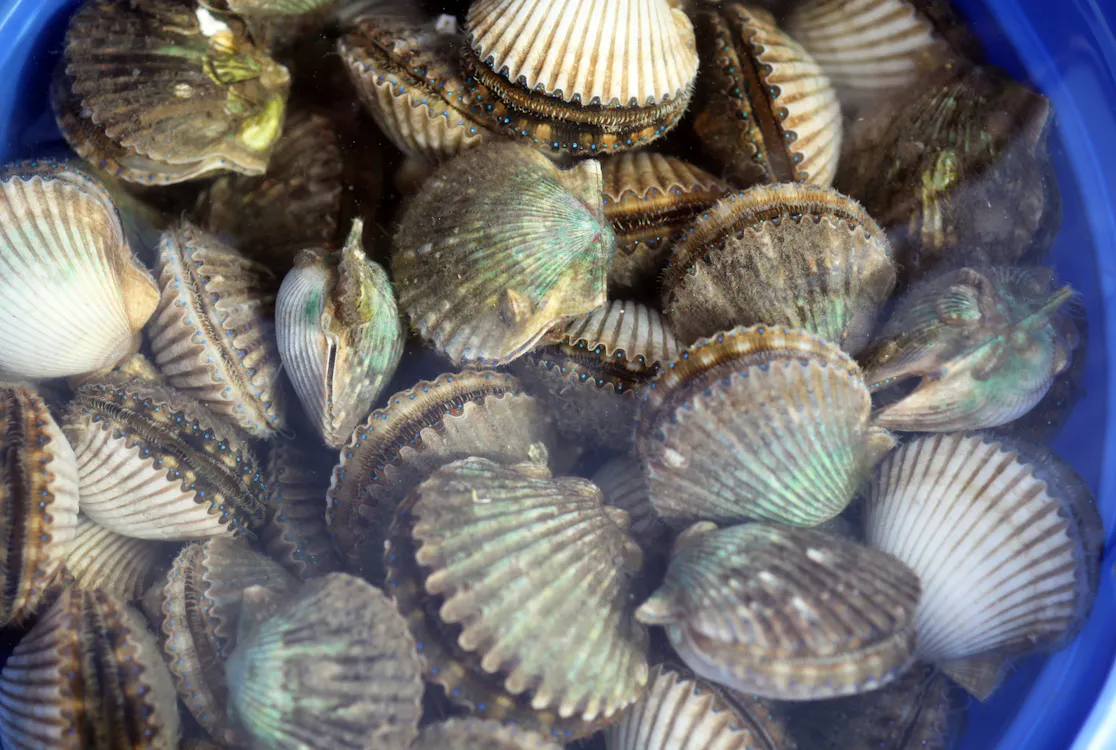
Scalloping is a popular recreational activity in Florida where you snorkel or swim in shallow coastal waters to collect bay scallops. Unlike deep-sea diving, scalloping is typically done in areas with depths ranging from 4 to 10 feet, making it perfect for families and beginners. You simply swim along, looking for the scallops nestled amongst the seagrass, and collect them by hand. It's a fantastic way to enjoy Florida's beautiful waters and gather a delicious seafood meal!
Having the right gear can make or break your scalloping trip. At a minimum, you'll need a mask, snorkel, fins, gloves, and a bag to collect your scallops.
Don’t forget a dive flag to alert boaters to your presence! Keeping your gear organized is also crucial. Consider investing in the EVO Snorkel Bag with Mesh Pocket. The bag’s main compartment fits fins, mask, and snorkel with extra room for towels or a change of clothes. The bottom sides of the main compartment are open mesh, which helps air-dry any wet equipment placed inside.
Before you head out, it's essential to understand the regulations, seasons, and best locations for scalloping. Regulations are set by the Florida Fish and Wildlife Conservation Commission (FWC) and can change yearly, so always check the latest rules before your trip. The FWC website is your best resource for this information. Scallop season typically runs from summer to early fall, but specific dates vary by region. Popular scalloping locations in Florida include:
Remember to obtain the necessary licenses and permits before harvesting scallops.
Once you're in the water, the key is to move slowly and scan the seagrass beds carefully. Scallops often blend in with their surroundings, so a keen eye is essential. When you spot a scallop, gently scoop it up and place it in your collection bag. Avoid disturbing the seagrass beds or other marine life.
Here are a few tips for successful scalloping:
Responsible harvesting ensures the sustainability of scallop populations and protects the marine environment. Only collect the allowed limit per person and per boat, and avoid taking undersized scallops. Handle scallops gently and return any unwanted or undersized scallops to the water immediately. Be mindful of seagrass beds and avoid trampling or damaging them. Consider using a Geckobrands Waterproof Lightweight Backpack to ensure your valuables are protected from the elements on the boat or beach.
After a successful day of scalloping, you'll need to clean your harvest. This involves shucking the scallops and removing the meat. There are many online tutorials that show the best methods for shucking scallops. Once cleaned, rinse the scallop meat thoroughly with cold water and store it on ice. Freshly harvested scallops can be used in a variety of delicious recipes, from seared scallops to scallop ceviche.
What is the best time of day to go scalloping?
The best time to go scalloping is typically during high tide when the water is clearer and shallower, making it easier to spot scallops.
What should I do if I encounter a manatee while scalloping?
If you encounter a manatee, maintain a safe distance and avoid any interaction. Report the sighting to the Florida Fish and Wildlife Conservation Commission (FWC).
Can I scallop from a boat?
Yes, you can scallop from a boat, but make sure to anchor in a sandy area away from seagrass beds to avoid damaging them. Divers must also stay within 300 feet of a properly displayed dive flag.


